In many cases, replacing the standard Japanese sentence-ending だ with や results in Kansai dialect.
Let’s take a look at some examples here.
Standard | Kansai | Examples |
〜だ (copula: noun / な-adj) | 〜や | もうこんな時間や。 → It’s already this late. それや。探しててん。 → That’s it. I was looking for it. |
〜だろ / 〜でしょ (right? / assertive) | 〜やろ | それはやばいやろ。 → That’s messed up, isn’t it? 自分、会社員やろ? → You’re an office worker, right? |
〜だな / 〜だね (agreement / “yeah”) | 〜やな | 明日休みやな。 → Yeah, tomorrow’s a day off. 今日はええ天気やな。 → Nice weather today, huh. |
〜だし (and / plus / because) | 〜やし | 学生やし、時間あるで。 → I’m a student, so I have time. すぐそこやし、歩いて行こか。 → It’s just over there, so let’s walk there. |
だから (because / so) | やから | 学生やから、平日でもいける。 → I’m a student, so weekdays work. 今暇やから、手伝えるで。 → I’m free now, so I can help. |
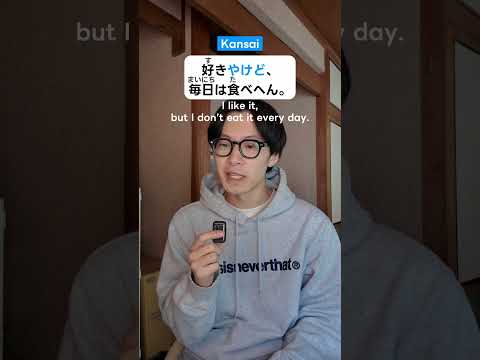
だけど (but / though) | やけど | 便利やけど、ちょっと高い。 → It’s convenient, but it’s a bit expensive. 好きやけど、毎日は食べへん。 → I like it, but I don’t eat it every day. |
〜だったら (if) | 〜やったら | 暇やったら、手伝って。 → If you’re free, help me. 明日晴れやったら、遊びに行こう。 → If it’s sunny tomorrow, let’s go out. |
〜だって (hearsay) | 〜やって | 田中さん、明日仕事やって。 → I heard Tanaka has work tomorrow. この店、めっちゃ人気なんやって。 → I heard this place is really popular. |
そうだ (remembering / sudden thought) | そうや | そうや、そんなん言ってたな。 → Oh right, you said something like that. あ、そうや!明日休みなんやった。 → Oh right! Tomorrow was a day off. |
 Made with Bullet